
In India, gender inequality and violence are deeply embedded in everyday life. From birth, girls are considered a burden, while emotional, financial, physical and sexual violence continues to be normalised across homes, communities and institutions. In a world that constantly teaches women to shrink, She Matters is a powerful insistence that women’s lives, voices, choices and freedoms are not negotiable.
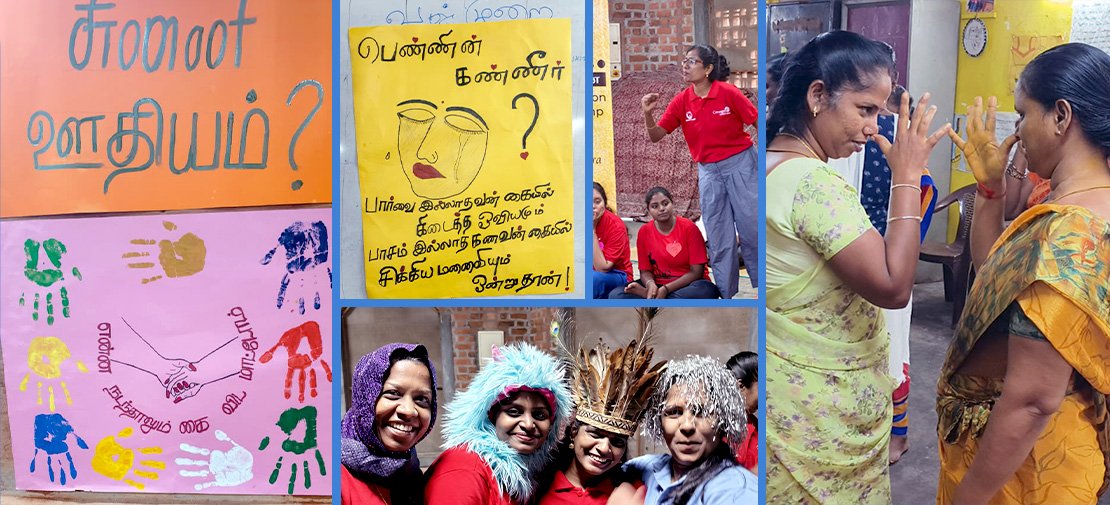
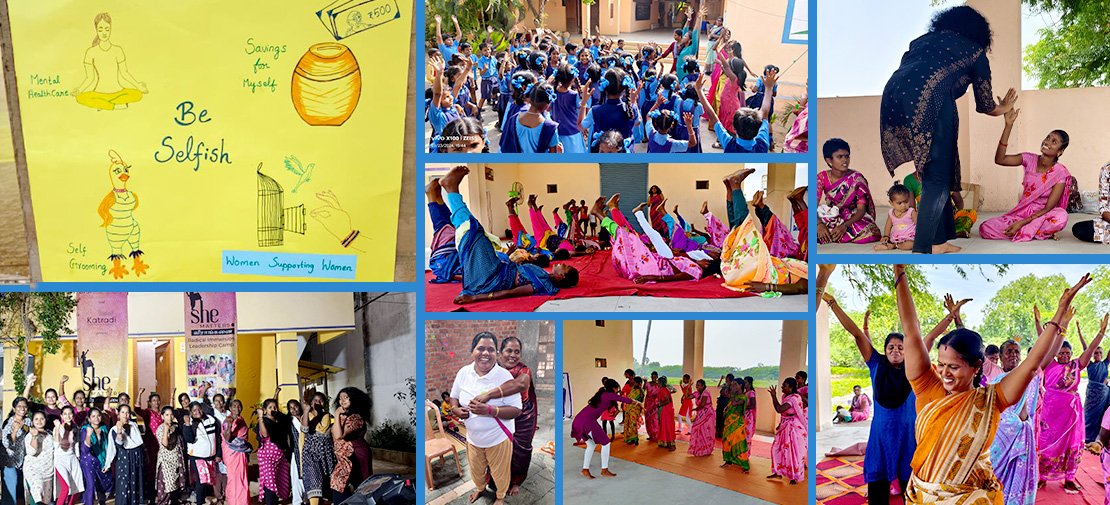
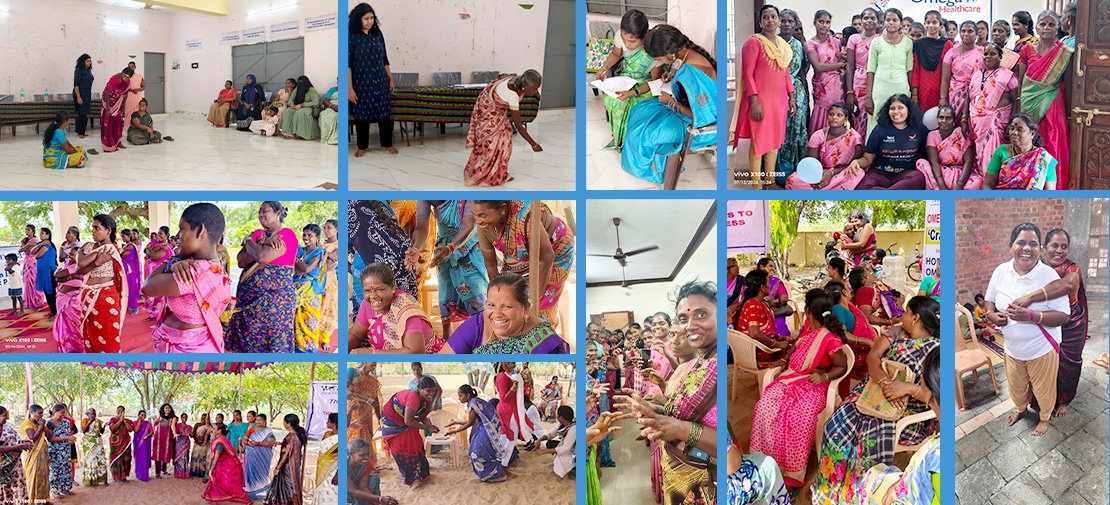
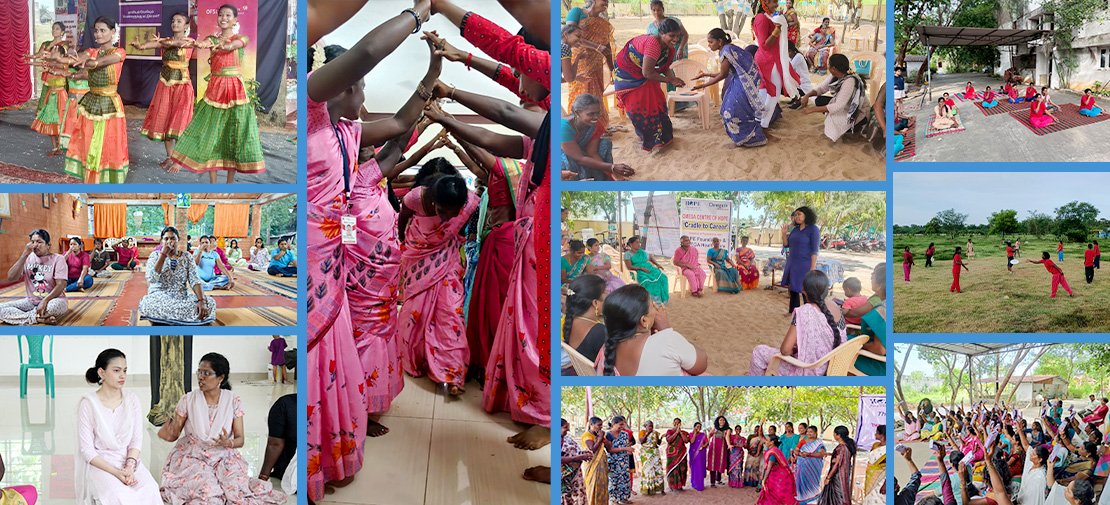
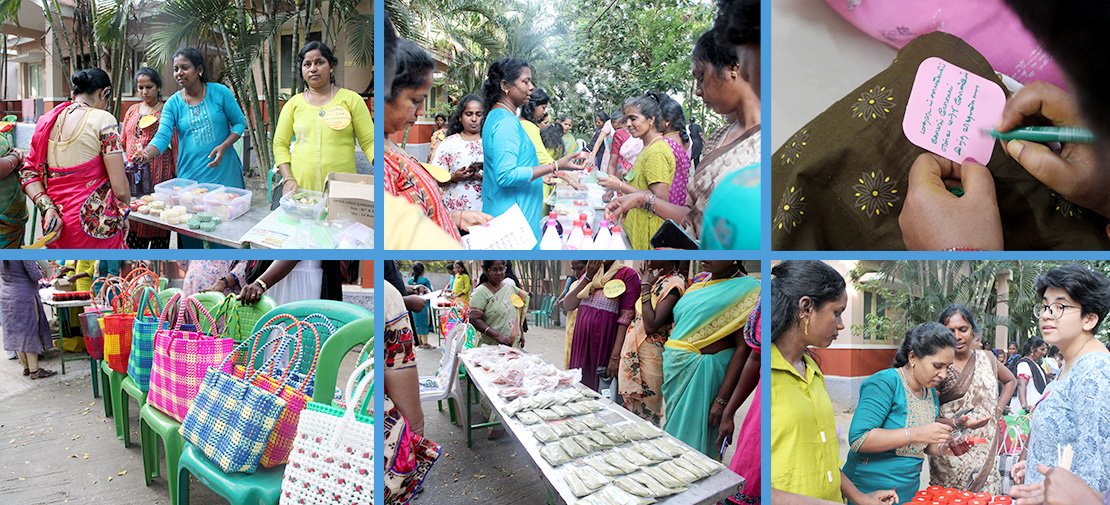
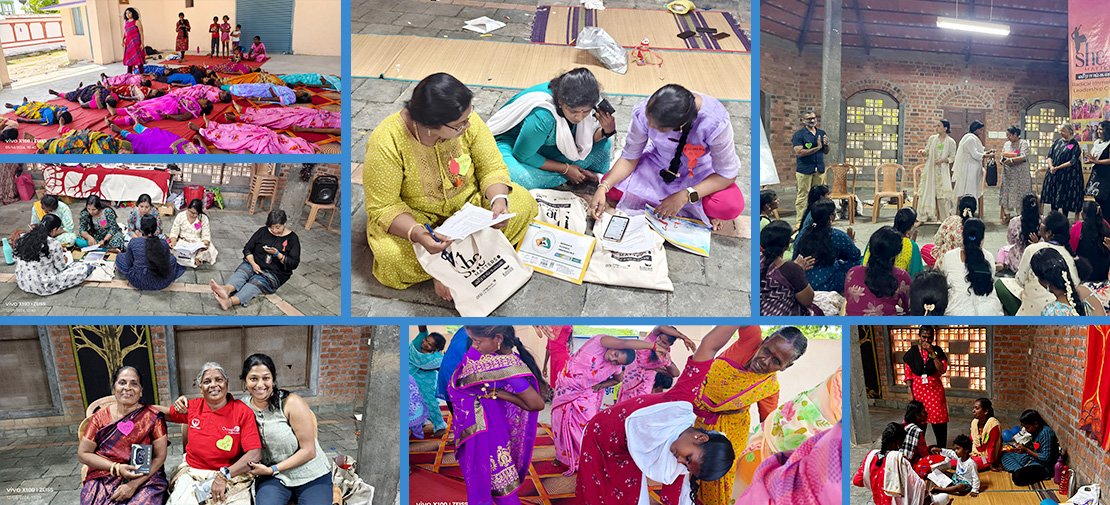
NCRB data has repeatedly revealed the scale of this crisis, with reports showing that a woman is raped approximately every 16 minutes in India, alongside millions of other unreported forms of violence that shape women’s lives daily. At the same time, men are frequently shaped by toxic ideas of masculinity that discourage emotional expression, empathy and vulnerability, perpetuating cycles of harm across generations.
Drawing from over three decades of research and practice with women, girls and multi-gender groups across diverse contexts, Sangeeta Isvaran has developed embodied, arts-based methodologies that address issues including gender equality, gender-based violence, reproductive health and social stigma. Beginning as an independent research inquiry into traditional performance practices and their transformative potential, this work gradually evolved through Katradi into a series of powerful modules and interventions designed to break silence, challenge shame and equip individuals and communities to recognise, confront and respond to gender-based violence.
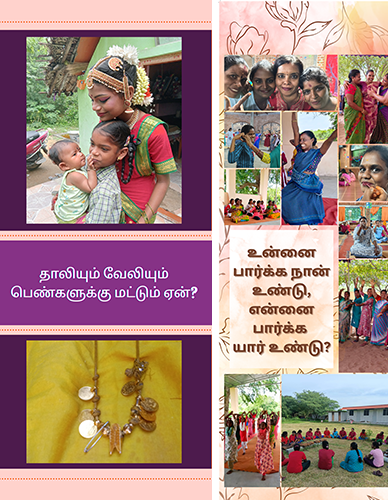
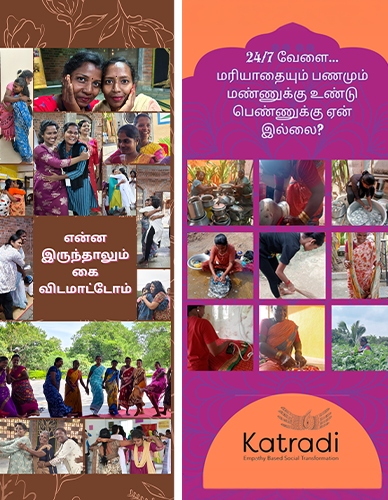
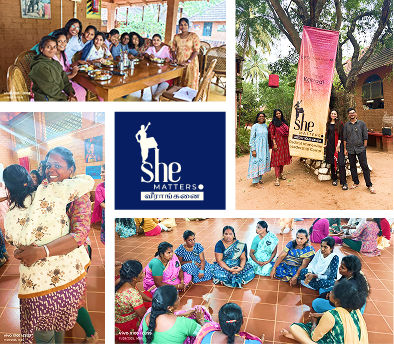
She Matters emerged from this body of work as a flagship women’s empowerment initiative by Katradi, developed in partnership with Omega Forum for Social Impact (OFSI). Rooted in years of research and practice, it was created to enable women to confront internalised patriarchy, recognise violence in its many forms and reclaim agency over their bodies, finances and futures. The initiative unfolds through multiple formats - from sustained, year-long workshops within marginalised communities to the Radical Immersion Leadership Camps (RILCs), which bring together grassroots women leaders from across South India for deeply transformative collective learning experiences.
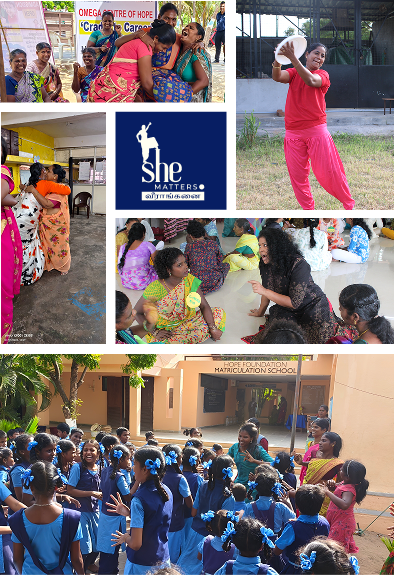
Transformative Outcomes:
- Deepened understanding of patriarchy and how it operates across personal, social and institutional life
- Increased confidence in decision-making, leadership and public participation
- Greater awareness of bodily autonomy, reproductive health, consent and women’s rights
- Practical strategies to challenge violence, negotiate boundaries and respond to everyday discrimination
- Strengthened awareness around mental health, emotional wellbeing, self-care and collective care
- Strengthened skills in communication, facilitation, collective organising and community engagement
- Greater awareness of economic independence, women’s labour, financial decision-making and access to opportunities
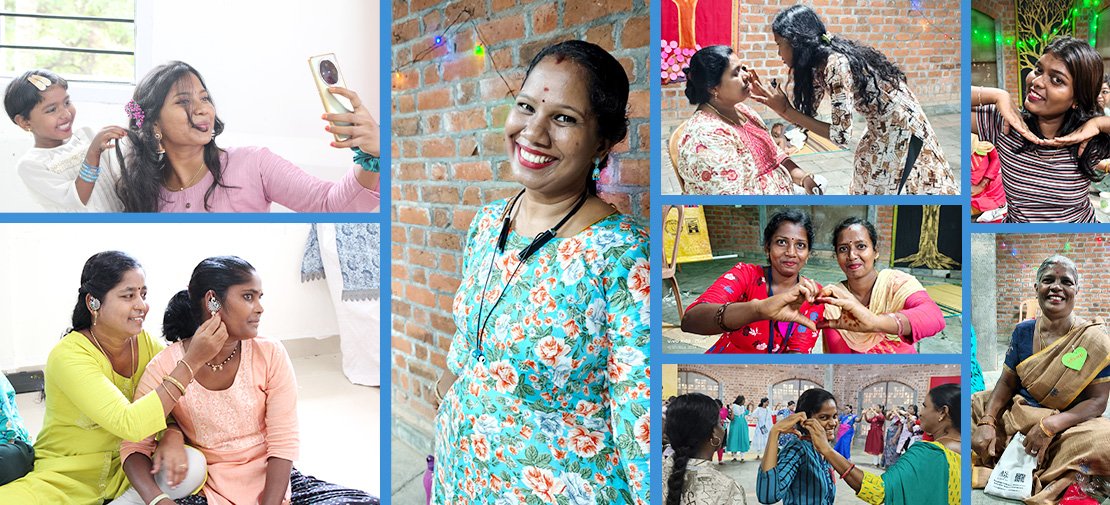
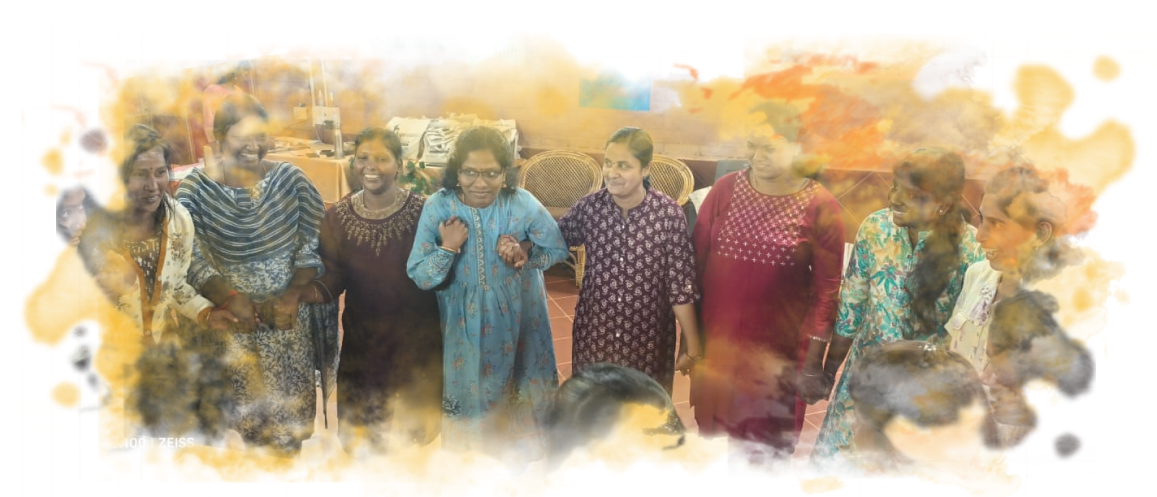
- Sisterhood as resistance, transforming isolation and judgement into solidarity, care and mutual support
- Emerged as agents of change, leading workshops, challenging harmful norms and creating visible shifts within their communities
Methodology
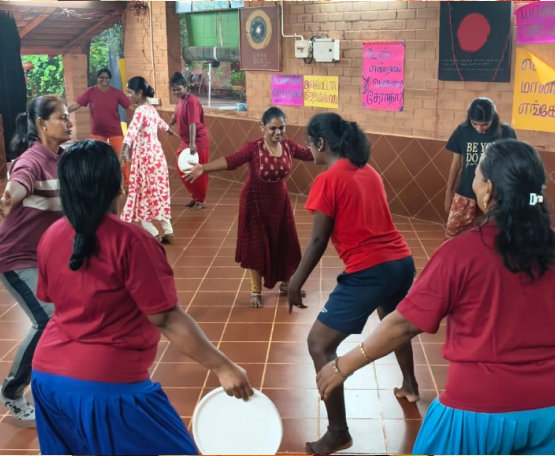
From the moment we are born, our bodies carry gendered patterns - our gait, our gaze, even the way we respond to others. At Katradi, we know that transformation begins here, in the body. Only by sensing, shifting, and reclaiming these patterns can women rediscover presence, autonomy, and power.
Traditional Indian performing arts offer powerful, strategy-laden methods of transformation. Every gesture, posture, rhythm, and voice carries insight into human behaviour and relationships. Decades of study and practice allow us to distill these arts into techniques that reveal how gender is lived in the body and offer playful, practical ways to rebalance them. By placing the body at the centre of learning, Katradi creates joyful, non-judgemental spaces where participants can explore, experiment, and unlearn restrictive behaviours while discovering strength, agency, and connection along the way.
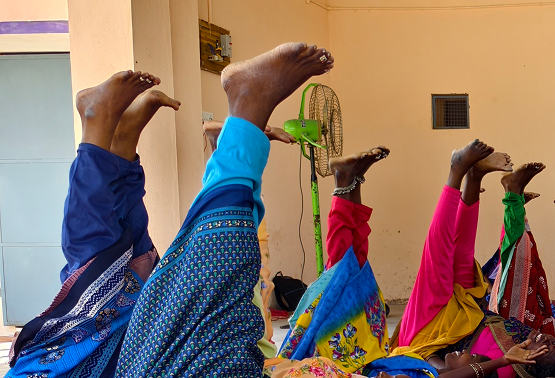
The Katradi Method translates these embodied insights into practical strategies.
By recognising the subtle ways gender and power structures shape everyday life - from posture, to eye contact, to conversation style - women experience freedom in their bodies first, with understanding deepening into analysis and translating into confident, actionable change in their lives. Over time, these shifts move beyond the individual, influencing relationships, families, workplaces and wider community dynamics.
The Katradi Method translates these embodied insights into practical strategies.
By recognising the subtle ways gender and power structures shape everyday life - from posture, to eye contact, to conversation style - women experience freedom in their bodies first, with understanding deepening into analysis and translating into confident, actionable change in their lives. Over time, these shifts move beyond the individual, influencing relationships, families, workplaces and wider community dynamics.
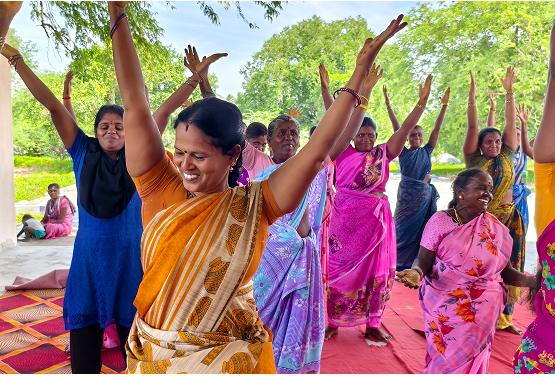
She Matters in Practice:
- Five interconnected levels of engagement: Physical, emotional, sensory, intuitive, and intellectual, activating holistic transformation.
- Embodied, arts-based pedagogies: Using techniques from traditional arts and empathetic communication to foster deep, lived empowerment.
- Proven, tested approach: Iteratively refined across communities with high success in enabling women to recognise, resist, and transform cycles of violence.
Impact
She Matters
Impact
Roadmap 2024-26
0
Participants in the year-long programme
0
Alumni selected for further leadership development through the Veeranganai Fellowship
0
Projects conceptualised
0
Community members engaged overall
Highlights:
01
Women recognised, articulated, and developed strategies to address emotional, financial, and systemic violence in daily life
02
Intergenerational sisterhood and peer learning strengthened collective agency while building stronger support systems
03
Women reclaimed self-care, rest, and play, and deepened their understanding of mental health, committing to prioritise it in their lives and relationships
04
Community members, including adolescent girls and boys, questioned and reflected on gender stereotypes and social norms
05
Women demonstrated increased assertiveness, autonomy, and confidence in decision-making across personal and social contexts
06
Women rejected body-related shame, patriarchal restrictions, and reputation-based control
07
Women applied their learnings within households and local initiatives, generating immediate community-level impact
08
Livelihood and business skills were applied using tools such as the Business Model Canvas, alongside strengthened budgeting and financial planning skills
09
Women leaders developed strategic thinking, collaboration, and project management skills, designing and implementing their own community projects
Ripple & Long-Term Impact
- She Matters participants continue to facilitate workshops, form collectives, and mentor peers
- Sisterhood, agency, and leadership extend beyond camps into communities
- Empowerment is embodied, translating into systemic change in households and local institutions
- Deep-rooted understanding of gender-based violence across physical, emotional, financial, educational, and systemic barriers to opportunities
Participant Voices
I didn't know all these issues were considered violence (emotional violence, withholding a phone, forcing marriage, controlling a woman's bank account). Now that I know I will not let it happen.
Can we become facilitators? There are so many children that need this knowledge (puberty, violence). We want to get training.
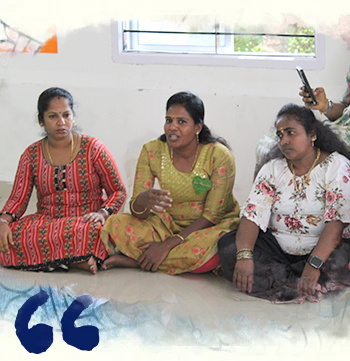
I started cooking at 10, while my brother did nothing. Now I see why men don’t help - it's because they have not been raised to share responsibilities. It starts from childhood.
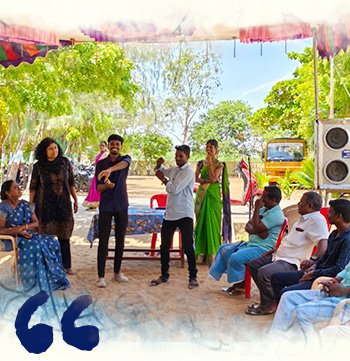
Now that I know all this about male puberty, I will talk to my son during this crucial time. I will make sure that he understands all this so that he doesn't harass any girl.
NGO Head Voices

After She Matters, the women from VAPS began facilitating workshops in their own communities, carrying forward the process with confidence, care, and leadership. Watching them move from participants to facilitators in such a short time was deeply meaningful.

There was a visible shift in confidence and energy of the women who attended She Matters. Many spoke about the camp long after it ended, and some even called it ‘an opportunity of a lifetime.’ In all my years of work, I have rarely seen such deep transformation happen so quickly after a workshop.
I sincerely appreciate you and your team for this thoughtful initiative of empowering grassroots women leaders to benefit deserving women.
The participants returned from She Matters feeling deeply empowered. What stood out to me was how they began recognising and questioning the everyday ways women are conditioned to seek permission, and how it shapes women’s freedom, confidence, and opportunities.
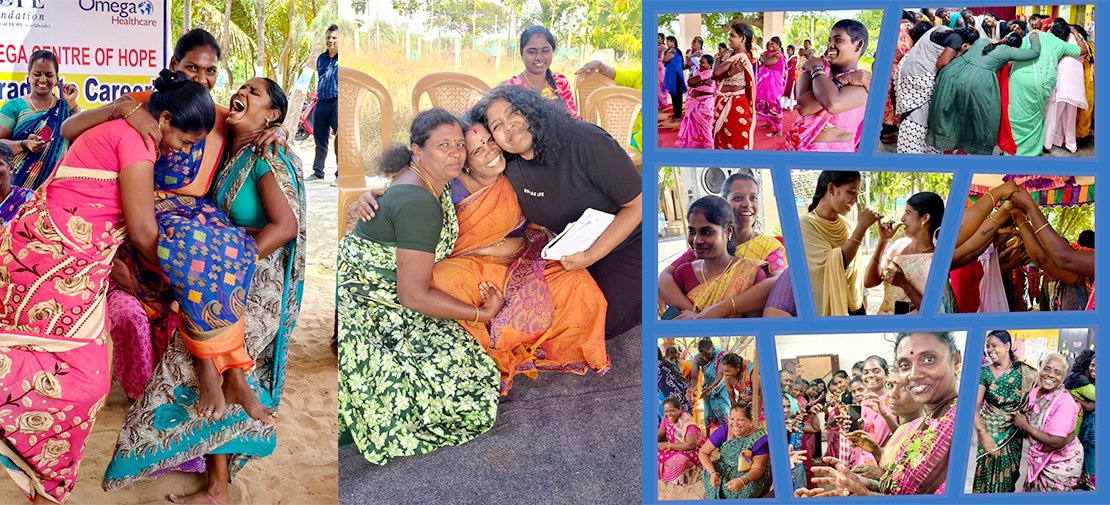
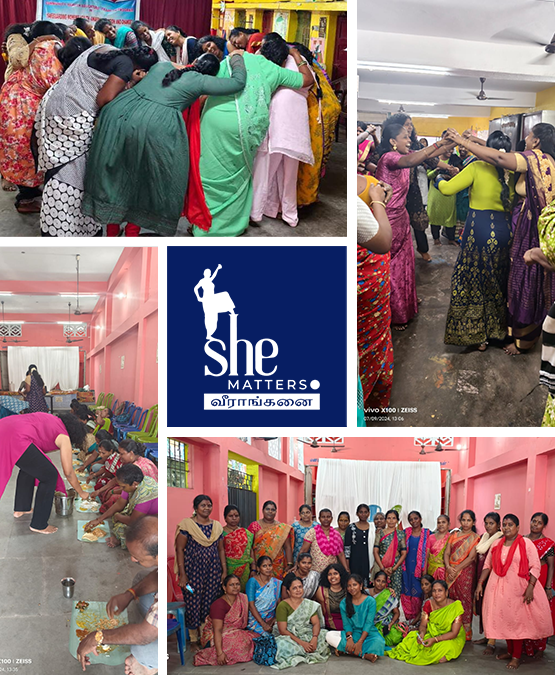
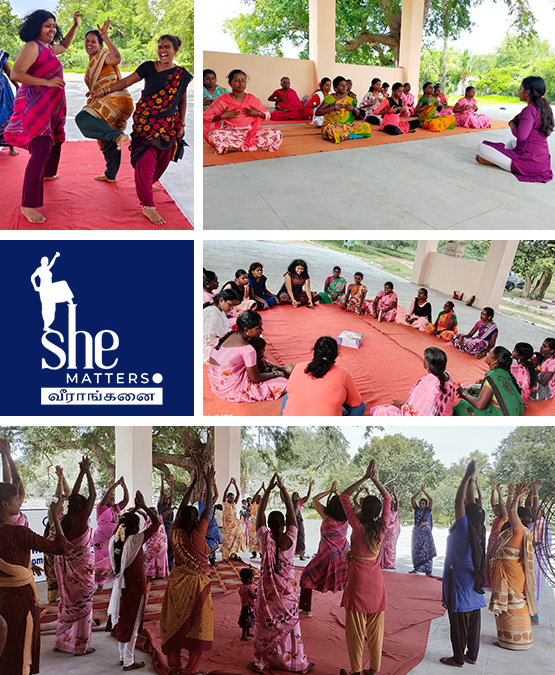
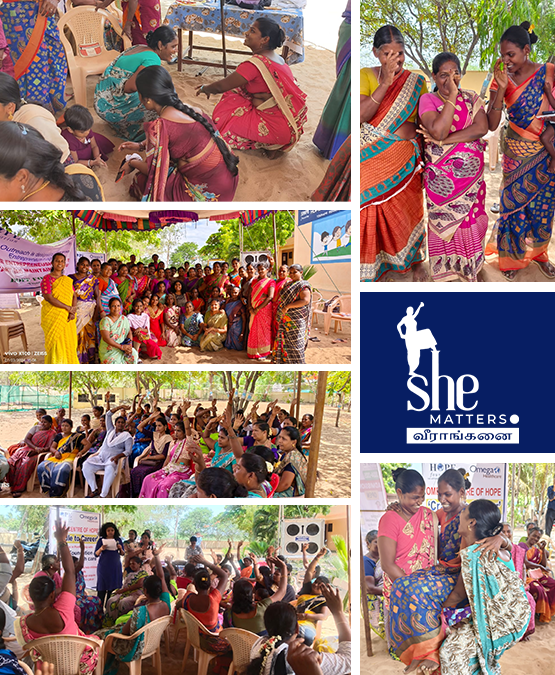
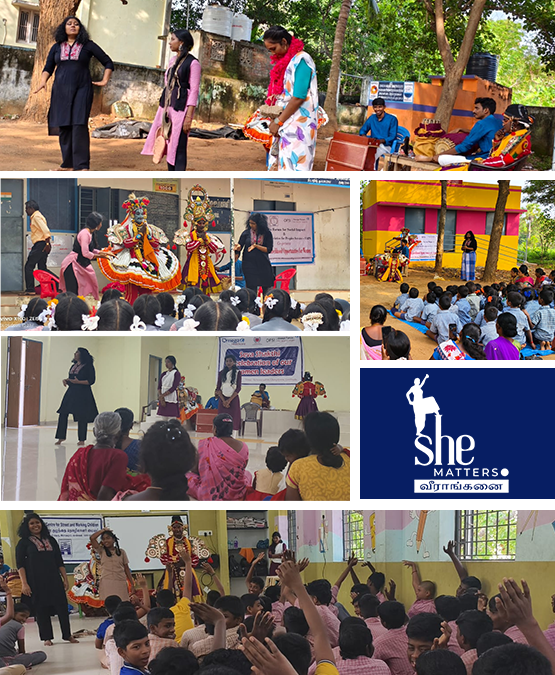
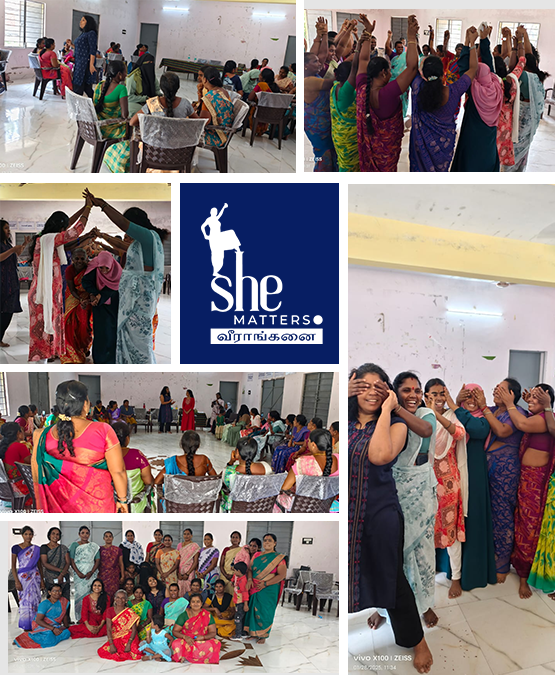
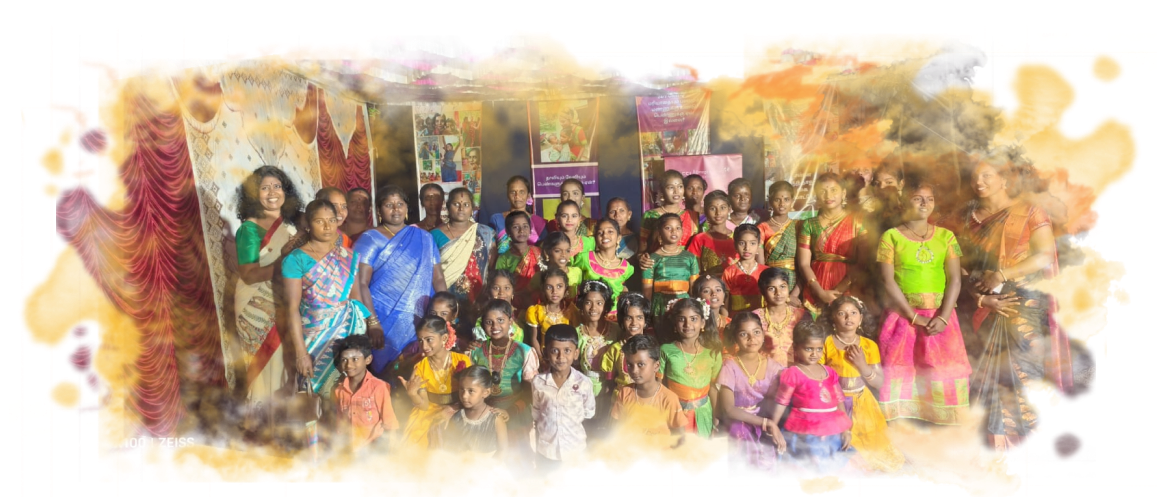
She Matters unfolded through a three-phase process that engaged women at multiple levels. Katradi facilitators first conducted workshops with grassroots community members across partner organisations. From these engagements, women leaders were selected to participate in the Radical Immersion Leadership Camp (RILC). The programme then culminated in community-facing Lorry Lolakku performances, developed around issues and concerns raised by participants, helping spark wider conversations on gender, violence, dignity and equality within their own communities.
-
312 participants engaged through community-based workshops
-
31 women progressed into the RILC
-
710 community members engaged through Lorry Lolakku
-
965 community members were reached through SMART Goal initiatives led by RILC participants within their own communities
Participant Voices:
Many times, we are teaching girl children how to be safe, but I understand I need to teach my son how we need to treat girls and how we need to give respect.
Today is the death anniversary of my husband and the meditation session was the first time I cried and felt a connection to the feeling of love after so many years.
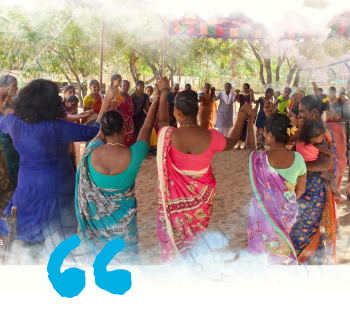
I used to think that only my husband could handle the ATM card and Bank Details. When I needed anything I would ask him, but this is also violence, you have taught us. That is very inspiring for me.
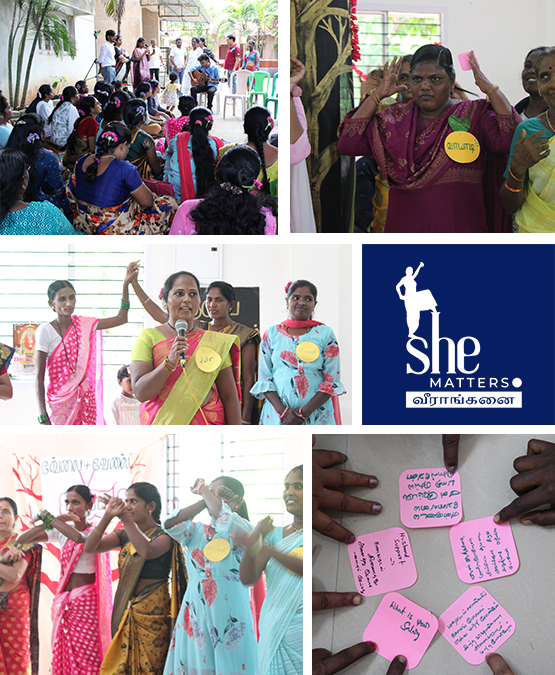
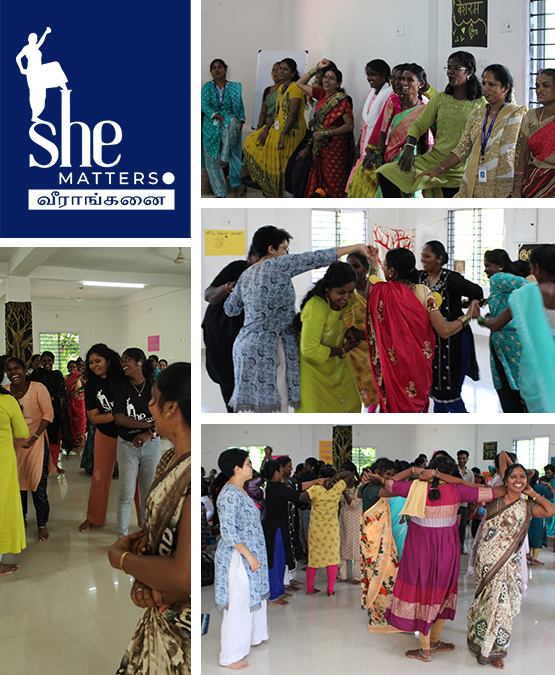
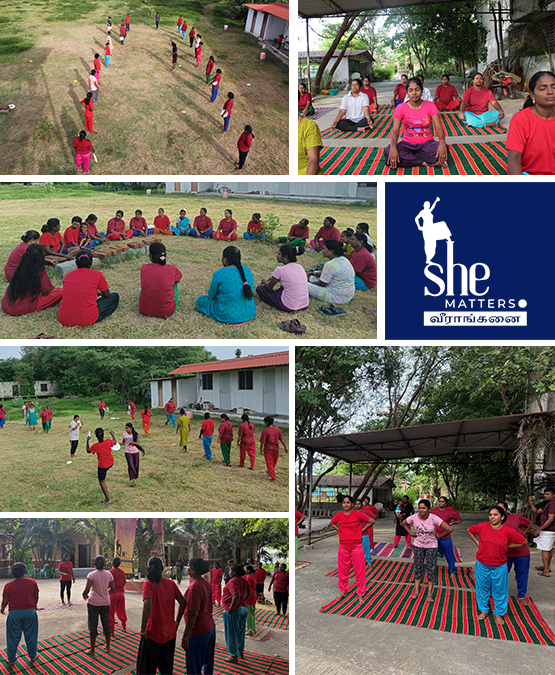
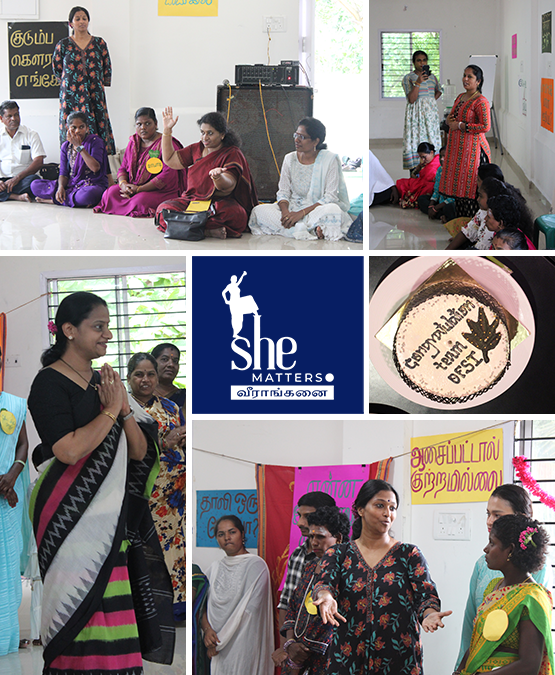
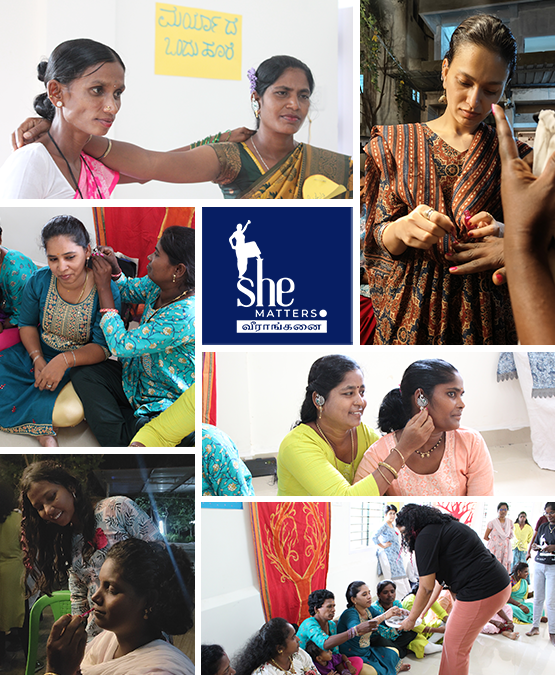
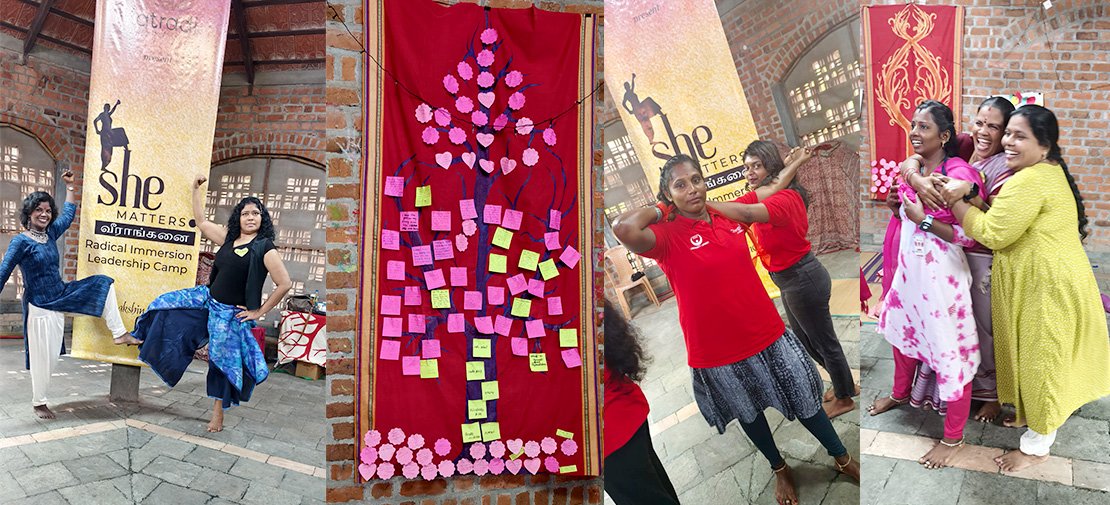
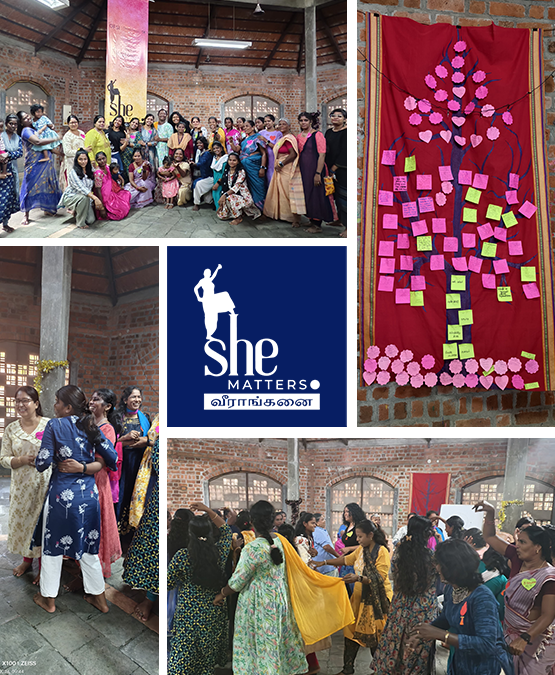
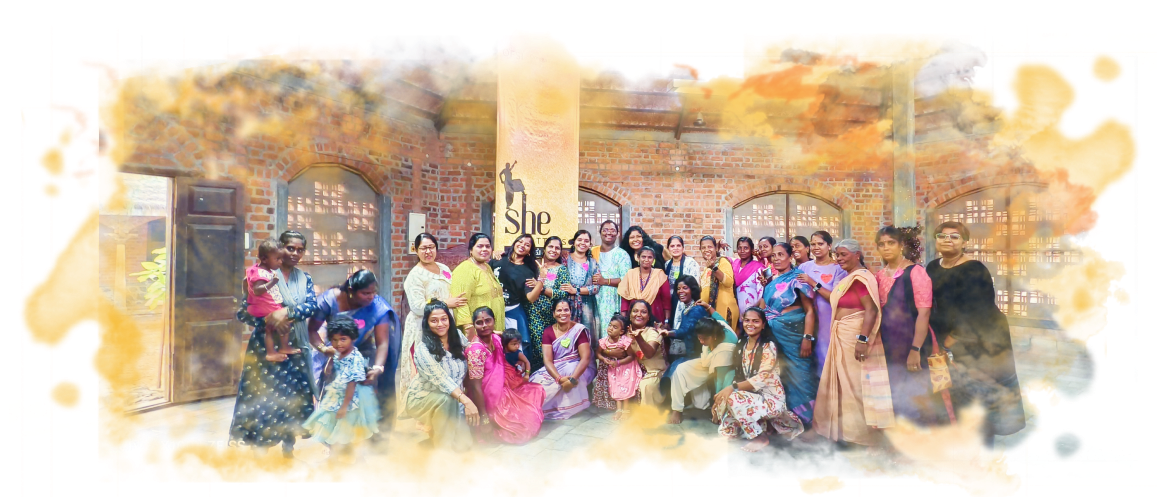
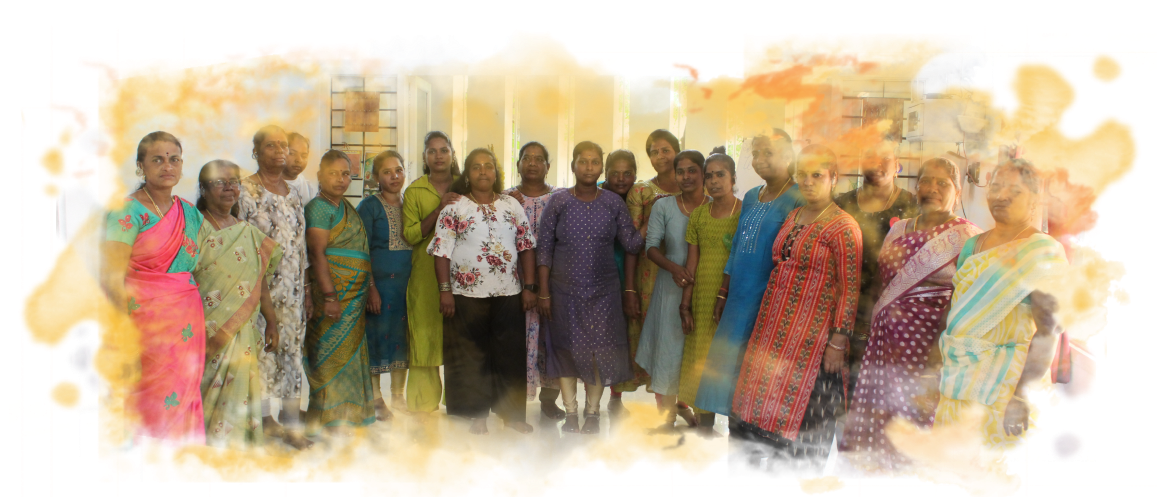
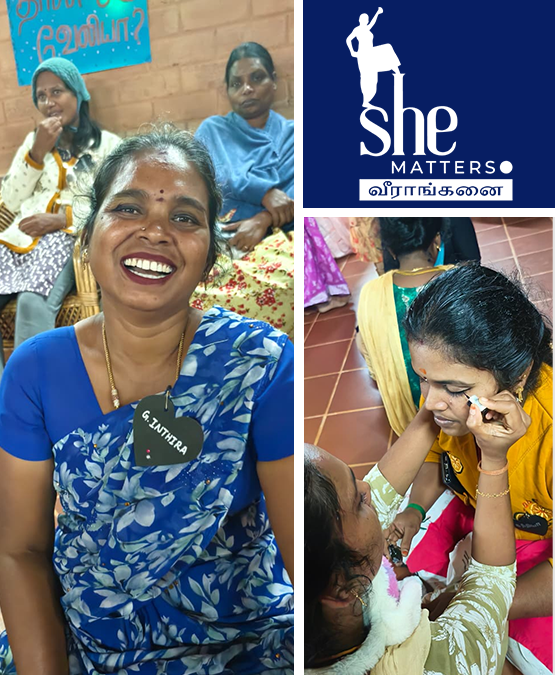
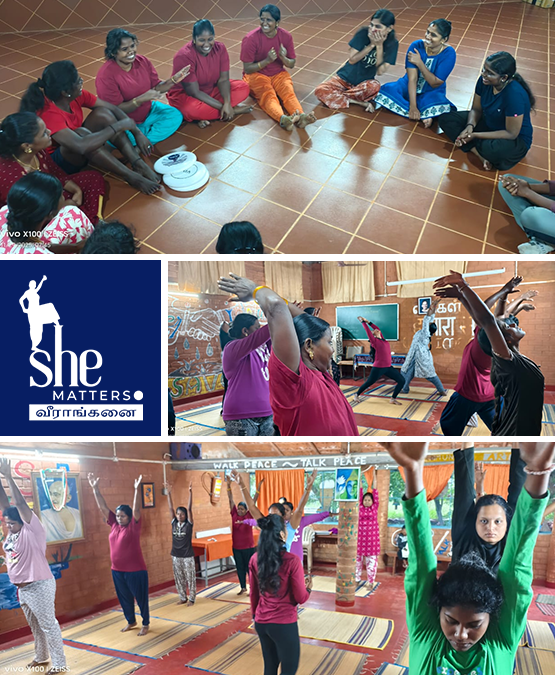
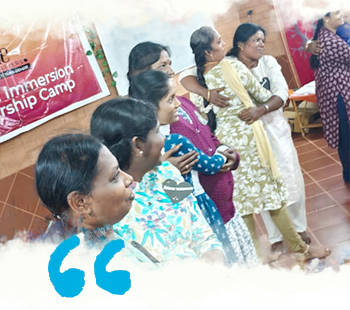
The July 2025 Radical Immersion Leadership Camp (RILC) brought together women leaders and community members from across Tamil Nadu and Karnataka for an intensive residential experience in Chengalpattu. Through movement, dialogue, reflection and collective learning, participants explored how gender and power shape everyday life while building strong relationships across communities.
-
41 women from diverse backgrounds participated in the camp
-
Developed a deeper understanding of gender-based violence and its impact on daily life
-
Recognised and challenged narratives of shame, silence and reputation that restrict women’s agency
-
Built confidence to participate more actively in decisions affecting their lives
-
Renewed connection to joy, play and self-care
Participant Voices:
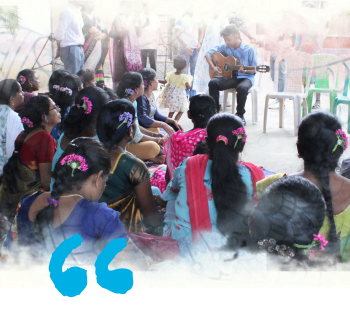
I learnt that I have a right to say NO, when I am not okay with something. Until now, I never knew that saying no was an option for me as a woman.
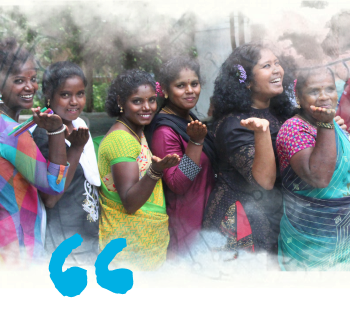
I was happy before I got married. And this is the first time that I have felt happy again after my marriage.
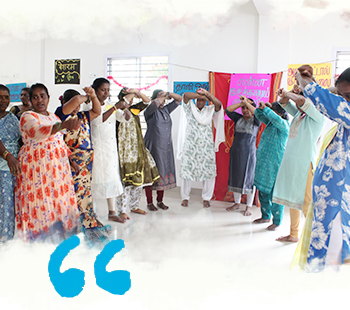
This camp has taught me the importance of listening with empathy and non judgement. As a community leader, it is very important that I practice this.
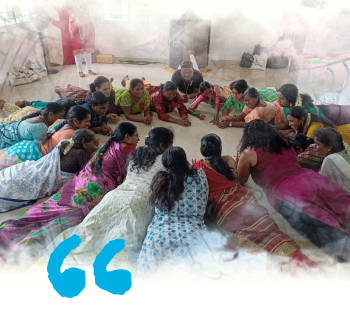
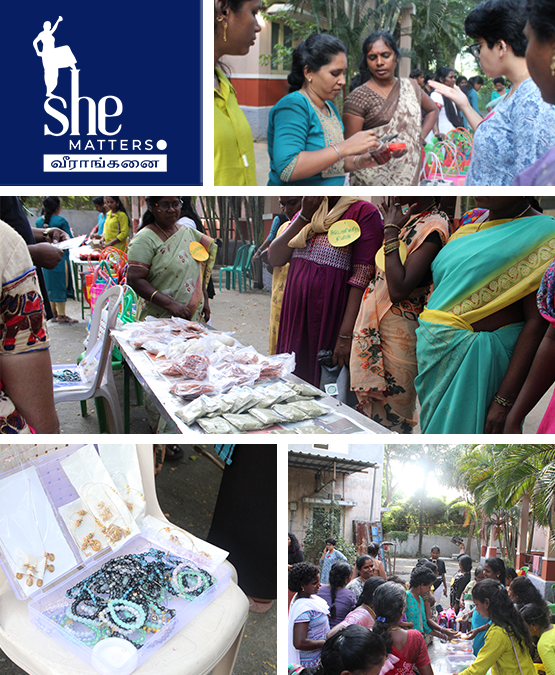
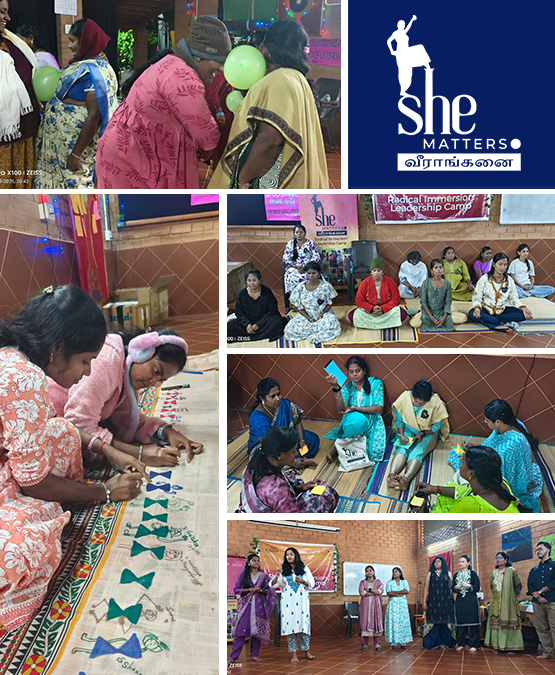
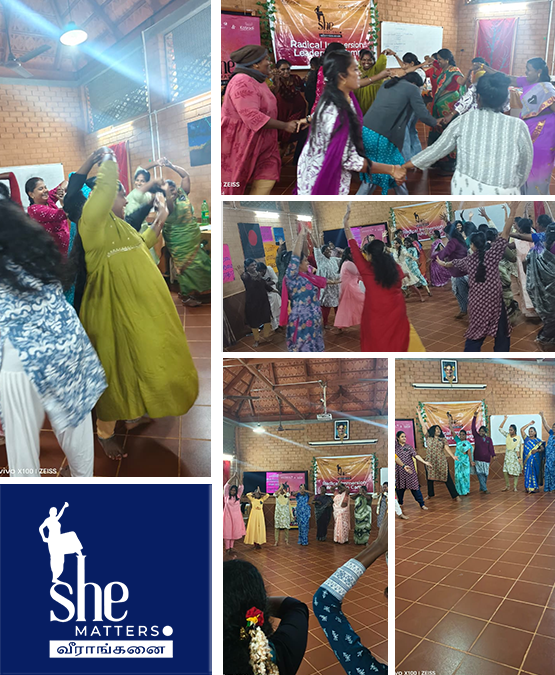
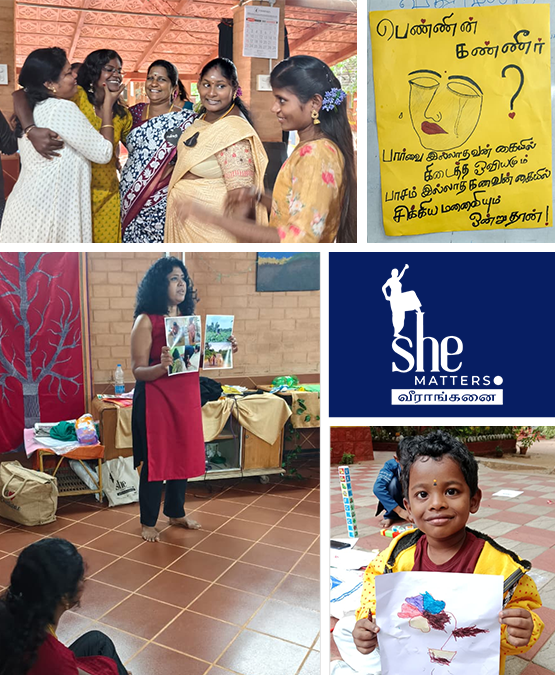
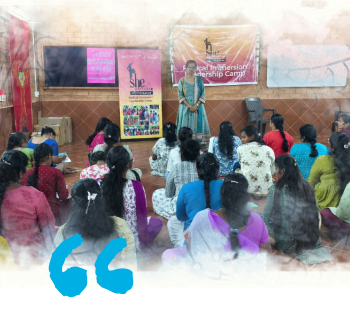
The November 2025 Radical Immersion Leadership Camp (RILC) brought together grassroots women entrepreneurs from across Tamil Nadu in Madurai, many of whom were navigating significant economic and social challenges. Through participatory sessions on financial literacy, entrepreneurship, gender and leadership, participants explored the value of their labour, economic independence, and the relationship between financial decision-making and gender equality.
-
36 women from diverse partner organisations participated in the camp
-
Greater recognition of the value of their time, labour and choices
-
Increased awareness of financial abuse and women’s economic rights
-
Practical application of the Business Model Canvas and other entrepreneurship tools
Motivated by their experience at the camp, one group of participants took the initiative to conduct She Matters-style workshops in their own community, reaching a total of 77 community members.
Participant Voices:
Marriage is not going to change our life. Education, job, Freedom, and money are important to live.
I am going to improve my body language and carry myself with confidence and courage.
I am going to teach my son about gender equality so he learns it from the beginning, and it will decrease family violence.
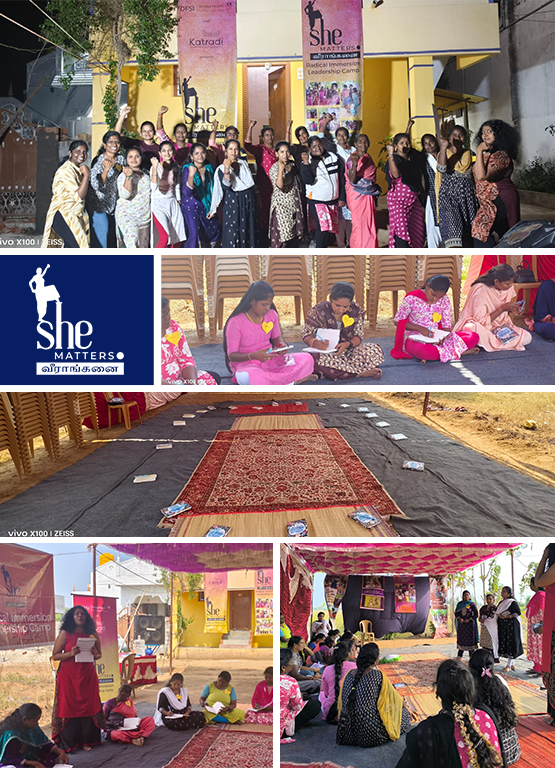
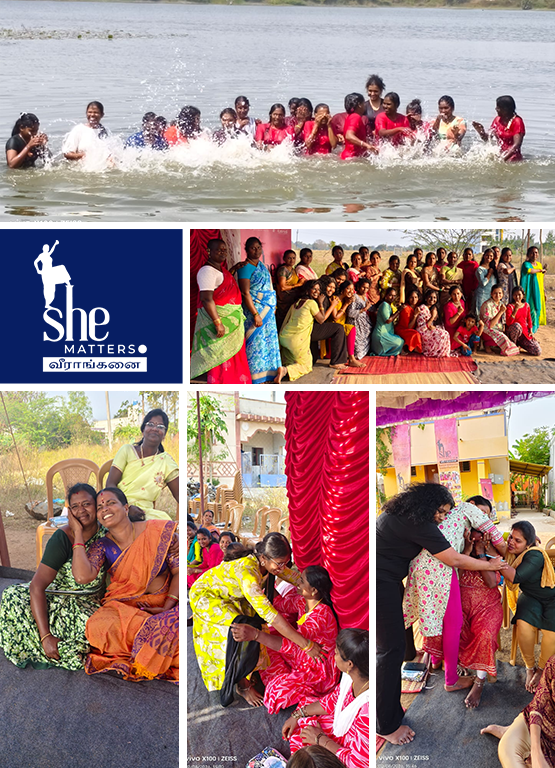
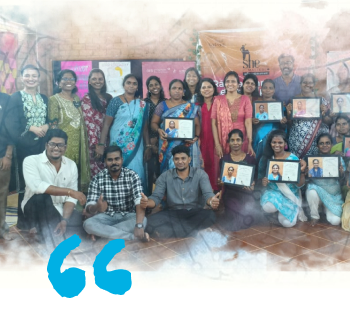
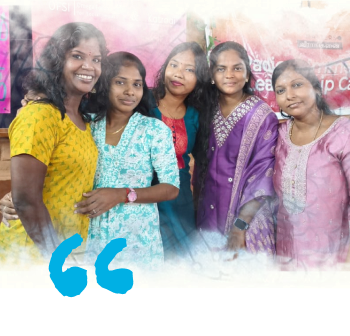
The February 2026 Ripple Makers Alumni Camp brought together grassroots women community workers from across Tamil Nadu who had previously participated in the She Matters ecosystem. Designed as a bridge between personal transformation and community leadership, the camp supported participants to move beyond individual change and begin envisioning themselves as facilitators, leaders and changemakers. For most, it was the first time they had been given the opportunity, tools and mentorship to design initiatives addressing issues they had directly experienced within their own communities.
-
24 alumni from across Tamil Nadu participated in the camp
-
Shift in self-perception from participants to facilitators, organisers and community leaders
-
Increased confidence to identify community challenges and develop locally relevant solutions
-
Practical skills in project design, budgeting, proposal writing and implementation planning
-
Strengthened collaboration, peer learning and collective problem-solving skills
A total of 18 community-led projects were conceptualised, with 15 selected for further support through Katradi’s Veeranganai Fellowship.
Participant Voices:
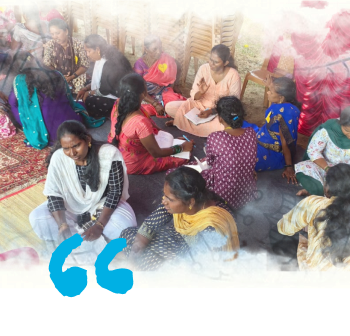
I never realised that I am the best person to build a project for my community women, because I know their issues.
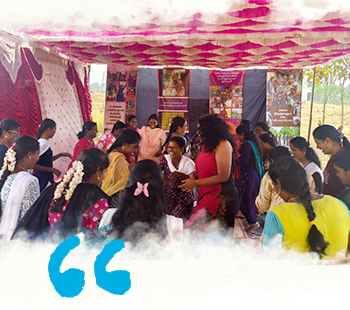
I always thought leadership meant hierarchy. Here I realised we are all just ordinary people and equal to one another.
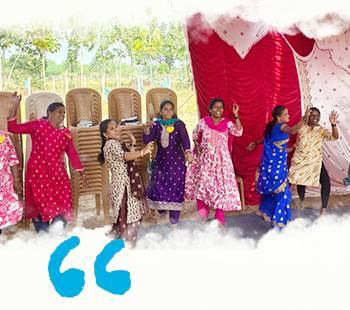
We usually don’t have the energy to take care of ourselves. Here, we were given the space to do that.